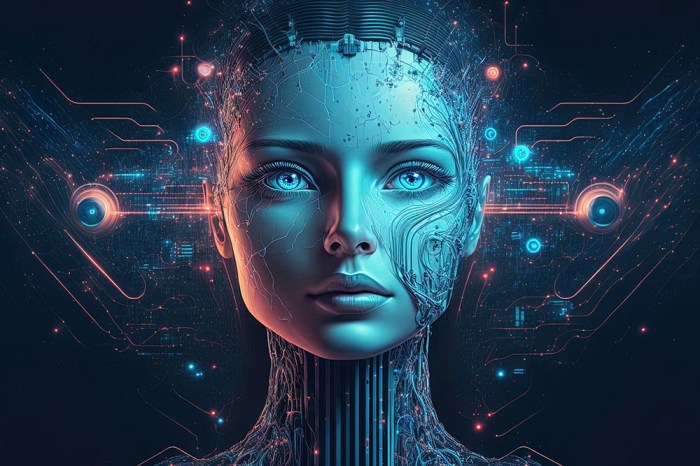
AI-generated poetry represents a fascinating intersection of technology and creativity, where algorithms breathe life into words, crafting verses that challenge our understanding of literature. As we navigate this innovative landscape, it’s evident that AI poetry is not merely a novelty; it is a significant evolution in how we perceive and create written art.
The emergence of AI in poetry showcases how advancements in technology have transformed traditional literary forms. By leveraging sophisticated natural language processing techniques, AI poetry generation offers new methods for composing poems, presenting a fresh perspective on the crafting of verse, which invites readers to explore what defines poetry in a digital age.
Introduction to AI-generated Poetry
AI-generated poetry represents a captivating intersection of technology and creativity, where algorithms produce verses that echo the stylistic nuances of human poets. This modern approach to literature signifies an evolution in how we understand and appreciate poetry, showcasing the impact of artificial intelligence on artistic expression. As technology continues to advance, poetry has transformed, embracing new forms and structures facilitated by these innovations.
Algorithms play a crucial role in this process, enabling the generation of poems by interpreting language patterns and mimicking the styles of renowned poets.
The Evolution of Poetry through Technological Advancements
The journey of poetry has been profoundly influenced by technological developments. From the invention of the printing press to the digital age, each innovation has reshaped how poetry is created, distributed, and consumed. AI-generated poetry marks a significant milestone in this evolution. It leverages vast datasets and machine learning algorithms to create original works that can rival human creativity. This shift not only reflects the changing landscape of literature but also highlights how technology can expand the boundaries of artistic expression.
The Role of Algorithms in Creating Poetry
Algorithms are at the heart of AI poetry generation. These computational models analyze existing poetry to learn patterns, themes, and structures. They utilize techniques like natural language processing (NLP) to construct cohesive and meaningful verses. The intricacy of these algorithms allows them to generate poems that, while lacking the personal touch of human authorship, can still evoke emotions and provoke thought.
This process showcases the potential of AI as both a tool and a collaborator in the creative arts.
The Process of Generating AI Poetry
Creating poetry through AI is a complex process that involves various techniques and methodologies. Each step is crucial in ensuring that the output not only resembles poetry but also carries emotional depth and artistic merit.
Techniques and Methods Used in AI Poetry Generation
AI poetry generation utilizes numerous techniques that blend linguistic analysis with computational creativity. Key methods include:
- Neural Networks: These models mimic the human brain’s structure, allowing for advanced text understanding and generation.
- Markov Chains: This statistical method generates text based on the probabilities of word sequences, creating coherent lines of poetry.
- Transformers: A state-of-the-art architecture in NLP, transformers process data more efficiently, producing richer and more complex poetic forms.
Datasets Used to Train AI Models for Poetry
The quality of AI-generated poetry heavily relies on the datasets used for training. Some notable datasets include:
- The Poetry Foundation Corpus: A diverse collection of poems from various eras and styles.
- Project Gutenberg: A repository of classic literature, including works from famous poets.
- Custom Datasets: Tailored collections that focus on specific themes, styles, or poets to enhance model training.
The Importance of Natural Language Processing in Creating Cohesive Poems
Natural Language Processing (NLP) plays an essential role in AI poetry generation. It allows algorithms to understand, interpret, and produce human language in a meaningful way. Through NLP, AI can recognize context, sentiment, and rhythm, which are vital for crafting poems that resonate with readers. The integration of NLP ensures that generated poetry maintains coherence and reflects the emotional undertones characteristic of human-written works.
The Impact of AI Poetry on Traditional Literature
The emergence of AI poetry has sparked debates about its influence on traditional literature. It raises questions about authenticity, creativity, and the essence of poetic expression.
Characteristics of AI-generated Poetry versus Human-written Poetry
AI-generated poetry exhibits unique characteristics that differentiate it from human-written poetry. These include:
- Consistency: AI can produce a high volume of poetry with a uniform style, lacking the emotional fluctuations of human authors.
- Variation: Algorithms can generate numerous variations of a poem, exploring different styles and themes in a single iteration.
- Lack of Experience: AI lacks personal experiences, which often inform human poetry, resulting in a different depth of emotional engagement.
Perspectives on the Authenticity and Emotional Depth of AI Poetry
The authenticity of AI poetry remains a contentious topic. While some view it as a genuine form of artistic expression, others argue it lacks the emotional depth that comes from personal experience. Critics often highlight that poetry is a reflection of human feelings and struggles, which AI cannot truly replicate. However, proponents believe that AI poetry can evoke emotions through its structure and language, even if it lacks an underlying personal narrative.
How AI Poetry Challenges Traditional Literary Norms and Practices
AI poetry challenges conventional literary norms by introducing new forms of authorship. It questions the very definition of creativity and authorship in literature, pushing boundaries and prompting discussions about originality. This innovation encourages both writers and readers to rethink their perceptions of what poetry can be, paving the way for new literary movements that embrace technology alongside tradition.
AI Poetry in Telecommunications
AI-generated poetry has potential applications in telecommunications, particularly in enhancing communication platforms and services.
Utilization of AI-generated Poetry in Communication Platforms
Incorporating AI poetry into communication platforms can enrich user interactions. Some possibilities include:
- Personalized Messages: AI can generate poetic messages for special occasions, enhancing the emotional resonance of communication.
- Creative Advertising: Brands can leverage AI poetry to create engaging marketing content that resonates with audiences.
- Interactive Chatbots: AI-powered chatbots can incorporate poetry to enhance user engagement and provide a unique conversational experience.
Potential for AI Poetry in Enhancing Messaging Services
Messaging services can benefit from the creativity of AI poetry. By integrating poetic elements, these platforms can:
- Change Tone: AI can adjust the tone of messages, making them more playful or serious depending on the context.
- Offer Inspiration: Users can receive poetic prompts or quotes that inspire creativity in their conversations.
- Encourage Creativity: AI-generated poetry can motivate users to express themselves more artistically through text.
Examples of AI Poetry Applications in Telecommunications Marketing
Several telecommunications companies have started experimenting with AI poetry in their marketing strategies. For instance:
- Campaigns Featuring AI Poetry: Some brands have launched campaigns that feature AI-generated poems to promote their services creatively.
- Social Media Engagement: AI poetry has been utilized in social media ads to capture attention and evoke emotional responses from potential customers.
- Customer Interaction: AI-generated poetry is used in customer service interactions to create a more friendly and approachable tone.
AI Poetry in Literature and Libraries
Libraries are beginning to explore the inclusion of AI-generated poetry within their collections, recognizing its potential to enrich literary experiences.
Incorporation of AI Poetry into Library Collections
Many libraries have started integrating AI-generated poetry into their collections for several reasons:
- Diverse Offerings: AI poetry adds diversity to traditional collections, appealing to a broader audience.
- New Literary Forms: Libraries can showcase the intersection of technology and literature, fostering an understanding of contemporary writing.
- Educational Programs: Libraries can conduct workshops on AI poetry, educating patrons about the technology behind it and encouraging creative writing.
The Role of AI Poetry in Fostering New Literary Movements
AI-generated poetry plays a significant role in inspiring new literary movements. It encourages writers to experiment with technology, blending traditional forms with innovative techniques. This evolution fosters collaboration among poets, technologists, and scholars, creating a vibrant literary landscape that embraces diversity and creativity.
Methods for Curating AI Poetry in Public and Academic Libraries
Curating AI poetry requires careful consideration to ensure it is accessible and meaningful. Methods include:
- Exhibitions and Readings: Libraries can host events featuring AI poetry readings, allowing patrons to engage with the work directly.
- Workshops: Organizing workshops on AI poetry generation can encourage participation and spark interest in the technology.
- Collaborations: Partnering with local schools and universities to explore AI poetry can foster a collaborative environment for creativity.
AI Poetry in Music and Radio
The intersection of AI-generated poetry and music is an exciting area of exploration, where technology enhances artistic expression.
Inspiration for Song Lyrics and Musical Compositions
AI-generated poetry can serve as a rich source of inspiration for songwriters. By generating unique verses, AI can offer artists fresh perspectives and ideas that spark creativity. This collaboration between AI and musicians can lead to innovative compositions that blend human emotion with algorithmic creativity.
Integration of AI Poetry in Radio Programs and Podcasts
Radio programs and podcasts have begun to incorporate AI poetry, enhancing their storytelling elements. Some applications include:
- Poetic Segments: Programs can feature AI-generated poems as part of their content, providing listeners with a unique auditory experience.
- Interactive Listener Engagement: Shows can invite listeners to submit themes or prompts for AI to generate poetry, fostering audience participation.
- Seasonal Specials: AI poetry can be featured in special episodes, celebrating events or themes relevant to the audience.
Comparison of AI Poetry and Traditional Songwriting Methods
While traditional songwriting relies heavily on personal experiences and emotions, AI poetry introduces a different approach. Key differences include:
- Emotion vs. Algorithm: Traditional songwriters draw from personal emotion, while AI generates poetry based on patterns and data.
- Speed of Creation: AI can produce multiple variations quickly, while traditional songwriting may require longer reflection and revision.
- Collaborative Potential: AI can act as a partner in the creative process, providing inspiration and ideas that human songwriters can refine.
AI Poetry in Movies and Television
The potential for AI-generated poetry in screenwriting and dialogue creation presents exciting opportunities for filmmakers and writers.
Potential for AI-generated Poetry in Screenwriting and Dialogue Creation
AI poetry can significantly enhance the screenwriting process by offering novel dialogue and scene descriptions. This integration can lead to:
- Dynamic Characters: AI can generate dialogue that captures varied character voices, enhancing depth and authenticity.
- Innovative Plotlines: By providing fresh ideas, AI poetry can inspire unique narratives that challenge conventional storytelling.
- Collaborative Writing: Writers can use AI-generated poetry as a brainstorming tool, incorporating its creativity into their works.
Examples of Films or Shows that Have Utilized AI-generated Poetry
Several productions have explored the use of AI-generated poetry in their scripts. Notable examples include:
- “Sunspring”: A short film entirely written by an AI, showcasing the potential of machine-generated scripts.
- “Zone Out”: A TV show that incorporated AI poetry in its dialogue, creating a unique viewing experience.
- AI-generated segments in documentaries: Certain documentaries use AI poetry to enrich storytelling and engage viewers.
The Role of AI Poetry in Enhancing Storytelling in Visual Media
AI poetry enhances storytelling by introducing unexpected elements that captivate audiences. Its integration allows for:
- Layered Narratives: AI-generated poetry can add complexity to stories, enriching the emotional landscape.
- Symbolism and Metaphor: AI can create poetic devices that deepen viewers’ understanding of themes and characters.
- Creative Transitions: AI poetry can serve as a bridge between scenes, providing cohesion and enhancing the overall flow of the narrative.
The Future of AI Poetry
The future of AI-generated poetry is bright, with emerging trends and ongoing discussions about its implications for creativity and ethics.
Emerging Trends in AI-generated Poetry
As technology advances, several trends are shaping the future of AI poetry:
- Collaborative Projects: Increased collaborations between poets and technologists will lead to innovative works that blend human insight with AI capabilities.
- Personalization: AI poetry will become more tailored to individual preferences, allowing users to receive customized poetic experiences.
- Expansion into New Mediums: The incorporation of AI poetry in visual arts, theater, and interactive media will broaden its impact.
Ethical Implications of AI in Creative Writing
The rise of AI poetry raises important ethical questions regarding authorship, copyright, and the value of human creativity. Key considerations include:
- Authorship Rights: Defining who holds the rights to AI-generated works poses a challenge in the creative landscape.
- Plagiarism Concerns: The risk of AI inadvertently replicating existing poetry raises questions about originality and integrity.
- The Role of Human Creators: Balancing the use of AI with the contributions of human poets is essential to preserving the essence of creativity.
A Framework for Future AI Poetry Projects and Collaborations
Designing a framework for future AI poetry initiatives involves fostering collaboration and creativity. Essential elements include:
- Interdisciplinary Collaborations: Encouraging partnerships between poets, technologists, and educators to explore new possibilities in AI poetry.
- Public Engagement: Involving the public in AI poetry projects through workshops and community events to encourage broader participation.
- Ethical Guidelines: Establishing ethical standards for AI poetry creation to protect the integrity of artistic expression.
Final Thoughts
In summary, AI-generated poetry is reshaping the literary world, presenting both opportunities and challenges to traditional forms of writing. As we embrace this new frontier, the dialogue surrounding the authenticity and emotional depth of AI poetry continues to grow, urging us to reconsider our preconceptions of creativity. The future holds exciting possibilities as we explore collaborative avenues between human and machine in the realm of poetry.
FAQ Corner
What is AI-generated poetry?
AI-generated poetry is poetry created using algorithms and machine learning techniques that analyze and generate text in poetic form.
Can AI-generated poetry be considered real art?
Yes, while opinions vary, many believe that AI-generated poetry can evoke emotions and provoke thought, qualifying it as a form of artistic expression.
How does AI learn to write poetry?
AI learns to write poetry by being trained on large datasets of existing poetry, allowing it to understand patterns, structures, and styles.
Is AI poetry always coherent?
While AI poetry can often produce coherent verses, the quality and cohesiveness can vary based on the algorithms and training data used.
What are the ethical considerations of AI poetry?
Ethical considerations include ownership rights, the impact on human poets, and the authenticity of emotion in AI-generated works.