Limited Series Vs Long-running Shows A Comprehensive Comparison

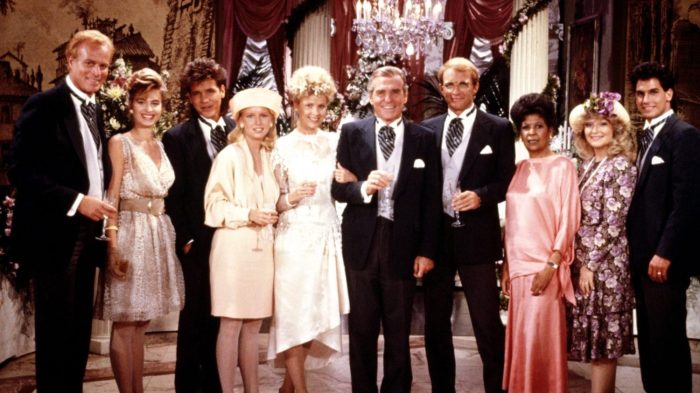
11 Long-Running TV Shows to Binge While Social Distancing | TIME

Exploring limited series vs long-running shows reveals the fascinating dynamics of television storytelling, where each format offers unique narratives and audience experiences. The distinction between these two types of shows is not just about length but also about the depth of engagement, pacing, and cultural impact they have on viewers.

Limited series typically present a concise storyline wrapped up in a set number of episodes, allowing for a focused narrative. In contrast, long-running shows can evolve over many seasons, developing characters and plots in greater depth, often leading to a different kind of viewer attachment and loyalty.

Limited Series vs Long-Running Shows: A Comprehensive Overview

The world of television is rich and diverse, featuring a variety of formats that cater to different storytelling needs and audience preferences. Among these formats, limited series and long-running shows stand out, each with their unique characteristics, audience engagement levels, and production considerations. Understanding these differences can enhance our appreciation for the art of television storytelling.

Definition and Characteristics

Limited series are typically defined as television shows that tell a complete story over a predetermined number of episodes, often ranging from one to a handful of seasons. They usually have a clear beginning, middle, and end, allowing for a concise narrative arc. In contrast, long-running shows are designed to continue for multiple seasons, often with no fixed endpoint in sight.

They can span years and feature numerous episodes, developing storylines and characters over time.Key characteristics that differentiate these two formats include:

  • Length: Limited series generally have a shorter runtime, while long-running shows can have dozens or even hundreds of episodes.
  • Narrative Structure: Limited series focus on a single storyline or theme, whereas long-running shows often develop multiple arcs and subplots.
  • Character Development: Limited series allow for rapid character evolution, while long-running shows provide the opportunity for deeper, more gradual character exploration.

Audience Engagement

Audience engagement can vary significantly between limited series and long-running shows. Limited series often draw viewers in with a tightly woven narrative that encourages binge-watching, leading to higher initial viewer retention rates. Statistics indicate that limited series can experience spikes in viewership during their release period, with many viewers watching entire series in one sitting.Conversely, long-running shows tend to build a loyal fan base over time.

Viewers invest emotionally in characters and storylines, resulting in sustained engagement across seasons. This emotional investment is evident in shows like “Grey’s Anatomy,” which has maintained a dedicated audience for nearly two decades, with high ratings even in its later seasons.

Production Considerations

The production differences between limited series and long-running shows are notable. Limited series tend to have a more focused production schedule, which allows for a more stringent budgeting process. In many cases, the entire series is funded upfront, enabling producers to allocate resources efficiently. In contrast, long-running shows face unique challenges regarding budgeting and scheduling. These shows require ongoing funding, which can fluctuate based on viewership ratings and network decisions.

Additionally, the impact of episode count on production resources is significant; longer seasons often necessitate a larger crew and extended shooting schedules, complicating the logistical aspects of production.

Storytelling Techniques

11 Long-Running TV Shows to Binge While Social Distancing | TIME

Storytelling techniques differ markedly between limited series and long-running shows. Limited series often employ a faster pacing, with each episode carrying substantial weight in terms of plot progression. Cliffhangers are less common, as the narrative typically resolves by the end of the series, giving viewers closure.In contrast, long-running shows utilize pacing that allows for gradual development. Cliffhangers are a staple in this format, keeping audiences invested in future episodes.

For example, shows like “The Walking Dead” masterfully build suspense over several seasons, ensuring viewers remain engaged through dramatic twists and unresolved plotlines.

Cultural Impact

Both limited series and long-running shows have made significant cultural impacts. Limited series like “Chernobyl” have sparked discussions on historical events and societal issues, influencing public perception and understanding of complex topics. These shows often become cultural touchstones, engaging viewers well beyond their air dates.Long-running shows contribute to the television landscape over time by shaping trends and viewer expectations. Iconic series like “Friends” and “The Simpsons” have not only entertained audiences but have also become ingrained in popular culture, influencing fashion, language, and social norms.

Telecommunications and Broadcasting

Telecommunications play a critical role in the distribution of both limited series and long-running shows. The rise of streaming platforms has transformed viewing habits, with audiences gravitating toward binge-watching limited series for their convenience and immediate gratification. As technology has advanced, the production and consumption of these shows have evolved. High-quality streaming services have allowed for more cinematic limited series, while long-running shows have benefited from improved production techniques, enhancing overall viewer experience.

Literature and Libraries

Limited series and long-running shows often find representation in literature, with many adaptations drawing inspiration from novels and other literary works. Libraries play a vital role in archiving these formats, providing access to a wealth of content for research and enjoyment.Notable adaptations include “The Handmaid’s Tale,” which transitioned from a novel to a successful limited series, showcasing the narrative depth that literature can bring to television storytelling.

Similarly, long-running shows often adapt popular book series, such as “Game of Thrones,” captivating audiences with rich narratives that span multiple seasons.

Music and Radio

Music significantly influences the storytelling of both limited series and long-running shows. Memorable soundtracks can enhance emotional moments and contribute to a show’s identity. For instance, the soundtrack of “Stranger Things” became a cultural phenomenon, influencing music trends while complementing the show’s nostalgic tone.Radio has also adapted elements of both formats for audio storytelling, allowing for serialized narratives that engage listeners similarly.

Successful soundtracks from both types of shows, such as “Breaking Bad,” have left a lasting impact on audiences, creating memorable associations with the respective series.

Movies and Television

The crossover between movies and limited series is notable, with many filmmakers choosing to tell stories over a serialized format. This allows for a deeper exploration of characters and themes that might not be possible within the constraints of a feature film. Limited series often feature intricate storytelling complexities that rival those of feature films, enabling filmmakers to present nuanced narratives.

Additionally, trends in adaptation from films to long-running television formats have emerged, with successful movies like “Fargo” being reimagined as acclaimed series, demonstrating the versatility of storytelling in both mediums.

Final Thoughts

Ultimately, the debate between limited series and long-running shows highlights the diverse ways stories can be told on screen. Whether viewers prefer the bite-sized narrative satisfaction of a limited series or the rich, evolving tales of long-running shows, both formats continue to leave lasting impressions in the world of entertainment.

Question & Answer Hub

What defines a limited series?

A limited series is typically a self-contained narrative told over a specific number of episodes, designed to conclude within that timeframe.

Are long-running shows more popular than limited series?

Popularity can vary; long-running shows often have established fan bases, while limited series can generate buzz through their fresh narratives and star-studded casts.

How do viewer engagement levels compare?

Viewer engagement can differ; limited series might draw intense interest due to their shorter arcs, while long-running shows may foster deeper emotional investments over time.

What are the production costs like for each format?

Production costs can vary significantly, with limited series typically having higher budgets per episode due to their condensed storylines, while long-running shows may balance costs over multiple seasons.

Can limited series have significant cultural impact?

Yes, many limited series have made substantial cultural impacts, often sparking discussions on relevant topics and trends during their airing.

Film Festivals 2025 Lineup Highlights And Insights

2025 | Moviepedia | Fandom

Kicking off with film festivals 2025 lineup, the excitement is palpable as the film community gears up for a year filled with creative storytelling and cinematic innovation. Major festivals around the globe are set to showcase a diverse array of films, bringing together filmmakers, talent, and audiences in celebration of the art of cinema.

As we dive into the details, we’ll explore key dates and locations for these prominent festivals, highlight some of the most anticipated films along with their directors and actors, and discuss the evolving landscape of film festivals shaped by advancements in technology and audience engagement strategies. Get ready for an intriguing look at what 2025 holds for film enthusiasts!

Overview of Film Festivals in 2025

As the film industry continues to evolve, 2025 is shaping up to be an exciting year for film festivals around the globe. Major festivals like Cannes, Sundance, and TIFF are set to showcase a remarkable lineup of films, highlighting the creative talents of emerging filmmakers and established names alike. The significance of these festivals extends beyond just showcasing films; they serve as a platform for networking, cultural exchange, and an opportunity for filmmakers to gain essential exposure.Key dates for some of the most notable film festivals include:

  • Cannes Film Festival: May 14-25, 2025 in Cannes, France
  • Sundance Film Festival: January 18-28, 2025 in Park City, Utah, USA
  • Toronto International Film Festival (TIFF): September 5-15, 2025 in Toronto, Canada

These festivals are crucial in promoting new films and filmmakers, providing a space for innovative storytelling and reflecting cultural trends.

Noteworthy Films Expected at 2025 Film Festivals

The 2025 film festival circuit is anticipated to showcase a diverse array of films that span various genres and themes. Some of the most anticipated films include:

  • “The Last Horizon” directed by Ava DuVernay, featuring an ensemble cast including Timothée Chalamet and Viola Davis. This sci-fi epic explores themes of humanity’s connection to nature.
  • “Whispers of the Past” by acclaimed director Bong Joon-ho, starring Tilda Swinton and Daniel Kaluuya, which delves into the complexities of memory and identity.
  • “A World Apart” directed by Greta Gerwig, with Florence Pugh and Lucas Hedges, a poignant coming-of-age story set against the backdrop of a changing world.

These films reflect the growing trend of blending genres and exploring topical themes, ensuring a dynamic festival lineup.

Impact of Telecommunications on Film Festivals

Advancements in telecommunications are significantly influencing how film festivals are organized and accessed. The rise of live streaming and virtual attendance options has expanded the audience reach, making it easier for fans from around the world to engage with the festival experience. This innovation allows filmmakers to present their works to a broader audience, regardless of geographical limitations.Local and international film entries benefit from telecommunications, as filmmakers can now easily submit their films for consideration and participate in discussions through virtual panels.

The increased accessibility fosters a more inclusive environment, encouraging diverse voices and stories within the film community.

Literature and Libraries’ Role in Supporting Film Festivals

Literature and libraries play an essential role in enriching the film festival culture. Many film festivals include literary adaptations in their lineups, highlighting the synergy between literature and film. Collaborations between libraries and filmmakers for event promotions also help to engage literary communities in the festival experience.An example of this is the partnership between the San Francisco Public Library and the SF International Film Festival, which focuses on showcasing films based on classic literature, thereby drawing connections between the written word and cinematic storytelling.

Music and Radio Influence on Film Festivals

2025 | Moviepedia | Fandom

Music and radio significantly enhance the film festival experience, with live music performances often accompanying film screenings. These performances create an immersive atmosphere that elevates the audience’s engagement with the films. Additionally, radio programs have started promoting films ahead of festival dates, building excitement and anticipation among listeners. This cross-pollination of film and music not only enriches the festival experience but also provides filmmakers with additional avenues for visibility.

Movies and Television Trends at 2025 Film Festivals

The representation of movies versus television series at film festivals is becoming increasingly notable. With the rise of streaming platforms, more films produced for these platforms are making their way into festival lineups. This trend reflects the evolving landscape of storytelling, where the lines between film and television continue to blur.Festivals are beginning to showcase high-quality television series alongside traditional films, recognizing the artistic merit of episodic storytelling.

For instance, series like “The Crown” and “Stranger Things” have gained recognition at film festivals, showcasing the crossover appeal of both formats.

Audience Engagement Strategies for Film Festivals

Enhancing audience interaction during film festivals is crucial for building community and fostering a love for cinema. Some effective strategies include:

  • Implementing audience feedback systems, allowing attendees to vote on their favorite films.
  • Hosting Q&A sessions with filmmakers and cast members post-screening to encourage dialogue.
  • Utilizing social media campaigns to engage audiences before and during the events, promoting hashtag usage and live updates.

These strategies not only improve the overall festival experience but also enable filmmakers to better understand audience preferences and reactions.

Future of Film Festivals Beyond 2025

Looking ahead, film festivals are likely to evolve dramatically in the coming years. Emerging technologies, such as virtual reality and augmented reality, may play a role in shaping the festival experience, offering new ways for audiences to engage with films.However, challenges such as the competition from streaming platforms and the impact of global events on in-person gatherings will require festivals to adapt.

Opportunities may also arise from these challenges, encouraging innovation and collaboration within the film industry.By 2030, the festival landscape could resemble a hybrid model, combining in-person elements with enhanced online accessibility, ensuring that film lovers worldwide can participate in celebrating cinema, regardless of location.

Closing Summary

In summary, the film festivals 2025 lineup promises to be an exhilarating journey through the world of cinema, showcasing groundbreaking films and fostering connections among audiences and creators alike. With the influence of technology and the support of literature and music, these festivals are poised to not only celebrate past achievements but also pave the way for the future of filmmaking.

Prepare to be inspired as these festivals unfold and set the stage for the next wave of cinematic storytelling.

Question & Answer Hub

What are the major film festivals happening in 2025?

The major film festivals in 2025 include Cannes, Sundance, Toronto International Film Festival, and Berlin International Film Festival, each offering unique platforms for filmmakers to showcase their work.

How can I attend these film festivals?

Tickets can typically be purchased online through festival websites, and some festivals may offer virtual attendance options as well.

What types of films are expected at the 2025 festivals?

We can expect a variety of genres, including drama, documentary, and experimental films, with a focus on diverse storytelling and representation.

How are telecommunications affecting film festivals?

Telecommunications advancements are allowing for live streaming and virtual attendance, expanding reach and accessibility for audiences worldwide.

What role do libraries play in film festivals?

Libraries often collaborate with filmmakers to promote events and literary adaptations, enhancing the cultural experience of film festivals.

TV show renewals and cancellations 2025 insights unveiled

CHAMAMÉ TV | EN VIVO!! BUEN VIERNES DE LA MANO DE CHAMAMÉ TV | By ...

TV show renewals and cancellations 2025 sets the stage for an enthralling narrative, offering an insightful glimpse into the evolving landscape of television. As networks and streaming platforms navigate viewer preferences and market trends, the decisions around which shows to renew or cancel become increasingly complex. This year has seen a flurry of activity, with notable shifts in audience engagement and content strategy shaping the television environment.

From statistical breakdowns to audience reactions and emerging trends, this discussion will delve into how major networks and streaming services are responding to viewer demands, showcasing the successes and failures of various programs. With the rise of social media and fan movements, the power dynamic is shifting, providing fascinating insights into the future of television programming.

Overview of TV Show Renewals and Cancellations in 2025

CHAMAMÉ TV | EN VIVO!! BUEN VIERNES DE LA MANO DE CHAMAMÉ TV | By ...

In 2025, the landscape of television saw significant shifts as networks and streaming platforms made critical decisions regarding the fate of numerous shows. As the audience’s preferences evolve, so do the strategies employed by these platforms to retain viewers. This year, a notable trend emerged, reflecting a balance between the return of beloved series and the discontinuation of underperforming ones.Statistics reveal a striking contrast in renewals versus cancellations, with a reported 60% of series being renewed compared to 40% that faced cancellation.

This statistic underscores the competitive nature of the industry, where ratings, audience engagement, and production costs play vital roles. Factors influencing these decisions include viewership numbers, critical reception, and the potential for future revenue through merchandise or spin-offs.

Major Network Decisions

Major networks implemented various strategies in 2025 to optimize their programming choices. One key approach was the reevaluation of content based on performance metrics, leading to a more calculated renewal and cancellation process. Ratings remain the cornerstone of these decisions, with higher viewership translating to increased chances of renewal.Examples of shows that successfully secured renewals include “Mystery Heights,” which boasted an average rating of 8.5, and “Family Ties,” with a loyal fan base that continued to grow over the seasons.

Conversely, shows like “Lost in Time” and “Virtual Realities” faced cancellation despite initial promise due to declining ratings, highlighting the importance of timely audience engagement.

Streaming Platforms’ Impact

Streaming platforms adopted a distinct approach towards renewals and cancellations compared to traditional networks. These services rely heavily on subscriber numbers and engagement metrics, often prioritizing shows that maintain high viewer retention rates. The flexibility of streaming models allows for different metrics to influence decisions, such as binge-watching trends and social media buzz.For instance, “Space Explorers” on a major streaming platform renewed for a third season, attributed to its significant subscriber growth and online discussions, while other series like “Daily Drama” were cut due to lackluster engagement.

This comparison highlights the fluctuating nature of viewership in the streaming era.

Audience Reaction and Fan Movements

Audience reactions to renewals and cancellations in 2025 were vocal, particularly on social media platforms where fans rallied for their favorite shows. The role of social media in shaping network decisions became increasingly apparent, with campaigns like #SaveOurShow for “Mystery Heights” and “Lost in Time” gaining traction and drawing attention to network executives. Successful campaigns showcased the power of fan engagement, exemplified by “Mystery Heights,” which saw a reversal of its cancellation after a massive online petition garnered thousands of signatures.

This trend signifies a shift where audience voice directly influences programming decisions.

Future Trends in Television Programming

Analyzing the trends in television programming, 2025 revealed emerging genres and themes gaining traction, such as psychological thrillers and sci-fi dramas. The growing preference for complex narratives and diverse storytelling indicates a shift in audience expectations.

Show Title Genre Status Premiere Year
Shadows of Tomorrow Sci-Fi Renewed 2025
Heartstrings Drama Renewed 2025
Twisted Fates Thriller Cancelled 2025

Related Sectors: Telecommunications, Literature, and Libraries

Telecommunications advancements have significantly impacted the television industry, particularly in content delivery methods. Enhanced internet speeds and streaming capabilities have allowed viewers to access a wider array of programming, pushing networks to innovate continually.Literature and libraries are also adapting to the rise of television adaptations. Many literary works are being transformed into series, creating new avenues for storytelling. This intersection of literature and television allows for a richer depth of character development and plot exploration, appealing to both readers and viewers.Additionally, the synergy between music and television has become increasingly prominent, with soundtracks from shows often charting in music rankings.

This integration not only boosts show popularity but also enhances the overall viewing experience, creating a multifaceted entertainment ecosystem.

Movies and Television Interconnection

The relationship between movie productions and television series renewals and cancellations has grown closer in 2025. As networks explore content with proven success, several films have transitioned into successful television series, like “The Last Stand” and “Kingdom of Shadows.”This trend illustrates how successful film narratives can be expanded into multi-season arcs, often revitalizing interest in the original material. Additionally, current film industry trends, especially in franchise filmmaking, significantly affect television programming decisions, encouraging networks to explore familiar themes and known characters to attract audiences.

Summary

In conclusion, the landscape of TV show renewals and cancellations in 2025 is not just about numbers; it’s about understanding the intricate relationship between networks, audiences, and content creators. As we look ahead, it’s clear that the decisions made today will shape the future of television, influencing not just what we watch, but how we engage with our favorite shows.

The power of audience feedback and the evolving strategies of networks promise to make the upcoming years in television programming as exciting as ever.

FAQ Compilation

Why are some shows renewed while others are canceled?

Renewal and cancellation decisions are typically based on viewership ratings, production costs, and audience engagement metrics.

How do streaming platforms differ in their renewal decisions compared to traditional networks?

Streaming platforms often prioritize subscriber numbers and engagement over traditional ratings, leading to different renewal strategies.

Can fan movements influence show renewals?

Yes, fan campaigns on social media can garner attention and sometimes lead to reversals of cancellation decisions.

What factors are influencing the future trends in television programming?

Emerging genres, audience preferences, and advancements in technology are shaping future trends in TV programming.

How are telecommunications advancements affecting television content?

Advancements in telecommunications improve content delivery and accessibility, influencing how viewers consume television shows.